Views: 0 Author: Site Editor Publish Time: 2025-08-15 Origin: Site
Yes, you can use a cast iron skillet on a regular stove, and it’s even better when paired with a Cast Iron Gas stove. Many home cooks prefer cast iron because it stands up to years of daily use and brings unmatched versatility to your kitchen. Whether you’re searing, browning, or baking, you get consistent results every time. According to recent surveys, people value cast iron for its:
Long-lasting durability—some cast iron pieces last for generations.
Superior heat retention, making it ideal for high-heat cooking.
Flexibility for a wide range of cooking tasks at home.
Enameled options that make cleaning easier and resist rust.
With the growing popularity of the Cast Iron Gas stove in 2025, home chefs now enjoy even greater performance and style. The best gas ranges and modern Cast Iron Gas stove models can truly transform everyday cooking into a rewarding experience.
You can safely use cast iron skillets on most regular stoves, but gas stoves and cast iron gas stoves offer the best heat control and cooking results.
Always lift your cast iron skillet to avoid scratching stove surfaces, and preheat it slowly to prevent hot spots or warping.
Cast iron gas stoves provide even heat, long-lasting durability, and a classic look that fits many kitchen styles.
Regular seasoning and gentle cleaning keep your cast iron skillet nonstick and protect your stove for years of reliable use.
Choose gas ranges with cast iron grates, precise burners, and large oven capacity to get the most from your cast iron cookware.
Choosing the right stove for your cast iron skillet can make a big difference in your cooking experience. In 2025, you see more home cooks turning to the cast lron gas stove for its performance and reliability. Let’s break down how cast iron skillets work with different stove types, and what you should consider for each.
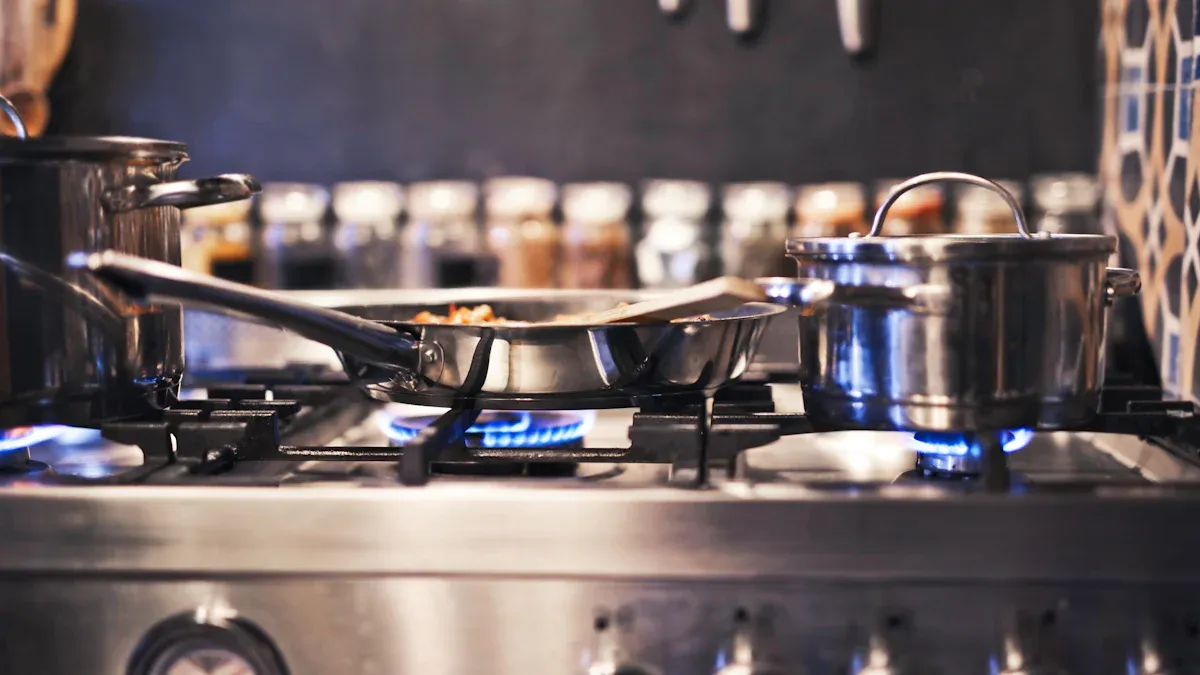
Gas stoves remain the top choice for many home chefs. You get instant heat control, which is perfect for cast iron skillets. The open flame of a gas cooktop heats the skillet evenly, allowing you to sear, sauté, and simmer with precision. The best gas ranges in 2025 often feature heavy-duty cast iron grates that support your cookware and distribute heat efficiently.
Top brands like Vermont Castings, GE, HearthStone, and Jotul lead the market with their cast lron gas stove models. These brands offer high oven capacity, excellent ratings, and advanced features such as continuous grates and precise simmer burners. You benefit from a gas cooktop that handles the weight of cast iron and delivers consistent results.
Tip: Always center your skillet on the burner and preheat gradually. This prevents hot spots and ensures even cooking.
You can use cast iron skillets on electric stoves, but you need to take a few precautions. The heavy weight of cast iron can stress the cooktop, especially if you drop the pan. Always lift your skillet—never slide it—because sliding can scratch or gouge the surface. Choose skillets with smooth bottoms to avoid damaging the stove.
Clean the bottom of your skillet before each use to prevent residue from staining the cooktop.
Match the skillet size to the burner for even heating.
Avoid overheating the skillet, as this can damage both the pan and the stove.
Consider a heat diffuser for more even heat distribution.
After cooking, do not place a hot skillet directly on the stove surface to prevent scorch marks.
Inspect your skillet for burrs or rough spots before use.
Enameled cast iron works well because it has a smoother bottom and less friction.
Electric ranges offer steady heat, but they may take longer to adjust temperatures compared to gas. Many modern electric ranges now include features like rapid preheat and expanded oven capacity, making them more versatile for cast iron cooking.
Glass-top stoves look sleek and modern, but they require extra care when using cast iron. The glass surface can crack if you drop a heavy skillet. Always lift and place your pan gently. Sliding the skillet can leave scratches, so avoid moving it across the cooktop.
Rapid and uneven heating on glass-top induction stoves can cause warping in your cast iron skillet, especially if you use high power repeatedly. To prevent this, preheat your pan slowly at low to medium heat. Keeping water or oil in the pan during heating helps prevent overheating and reduces thermal stress.
Note: Enameled cast iron is a smart choice for glass-top stoves. The smooth bottom reduces the risk of scratches and makes cleaning easier.
Induction stoves use magnetic fields to heat cookware directly. Cast iron, including enameled versions, works perfectly because it is ferromagnetic. To check if your skillet is compatible, hold a magnet to the bottom—if it sticks firmly, you’re good to go.
For best results, use a skillet with a flat bottom that matches the size of the induction burner. This ensures proper contact and efficient heat transfer. You do not need special adapters or accessories for cast iron on induction cooktops. Some cookware brands offer induction-ready features, but your standard cast iron skillet will perform well.
Induction ranges have become popular for their energy efficiency, fast heating, and precise temperature control. Many models now include expanded oven capacity and advanced safety features, making them a strong choice for modern kitchens.
Stove Type | Compatibility with Cast Iron | Special Considerations |
|---|---|---|
Gas | Excellent | Use heavy-duty grates; preheat gradually |
Electric | Good | Lift, don’t slide; use smooth-bottomed skillets |
Glass-Top | Fair | Avoid dropping/sliding; preheat slowly |
Induction | Excellent | Use flat-bottomed pans; check with a magnet |
When you choose a cast lron gas stove or one of the best gas ranges, you gain the flexibility to use your cast iron skillet for a wide range of cooking tasks. Look for features like high oven capacity, durable gas cooktop grates, and strong ratings to ensure your range meets your needs. Whether you prefer a gas stove or another type, understanding these compatibility tips helps you get the most out of your cookware and your kitchen.
You experience superior even heat distribution when you use a cast iron gas stove in your home. Cast iron gas stove tops excel at spreading heat across the entire surface, which means your cooking results stay consistent. Laboratory tests and user reviews show that cast iron and steel stoves of similar mass deliver nearly identical heat retention. Cast iron gas stoves heat up and cool down quickly enough for practical cooking, but they maintain warmth longer than many other materials. You notice the difference when you prepare meals that require steady temperatures, such as searing steaks or simmering sauces. Even heat distribution helps you avoid hot spots, so your food cooks evenly every time. Many gas ranges in 2025 feature cast iron grates designed to maximize this effect, giving home cooks more control and better results.
Cast iron gas stoves offer unmatched durability for your kitchen. You can rely on these stoves for years, even decades, of daily cooking. Cast iron is nearly indestructible, and you can restore even rusted pieces with proper care. Seasoning your cast iron stove top creates a natural nonstick surface, which protects the material and improves cooking performance. With correct cleaning and storage, your cast iron gas stove becomes a one-time investment that adds lasting value to your home. Many gas ranges now include cast iron components because they hold heat well and work with various heat sources. You find second-hand cast iron stoves that, after re-seasoning, perform like new. This durability makes cast iron gas stoves a favorite among home cooks who want reliable features and long-term value.
Tip: Regular seasoning and gentle cleaning extend the life of your cast iron gas stove and preserve its oven capacity for years.
You enhance your kitchen’s style with a cast iron gas stove. Consumer preferences show that people want appliances that blend classic looks with modern features. Cast iron gas stoves offer a robust, timeless appearance that fits both traditional and contemporary home designs. Manufacturers now offer gas ranges with varied burner designs, colors, and sizes to match your decor. Many premium kitchens feature built-in cast iron gas stove tops for seamless aesthetics and improved oven capacity. The trend toward minimalist and contemporary interiors increases demand for stoves that combine style and function. You benefit from customization options and features that make your stove a centerpiece in your home. Cast iron’s durability and corrosion resistance add to its appeal, making it a smart choice for both performance and design.
Benefit | Why It Matters for Home Cooks | Popular Features in 2025 Gas Ranges |
|---|---|---|
Even Heat Distribution | Consistent cooking results | Cast iron grates, precise burners |
Durability | Long-term value, easy restoration | Seasoned surfaces, robust construction |
Aesthetic Appeal | Matches any kitchen style | Custom colors, built-in installation |
Cooking on a gas range with a cast iron skillet gives you unmatched control and results. Gas ranges respond quickly to temperature changes, and cast iron holds heat for steady, even cooking. When you combine these features, you unlock the full potential of your cast iron gas stove top. Follow these steps and tips to get the most from your cast iron skillet on modern gas ranges.
Preheating your cast iron skillet is the first step to successful cooking on a gas range. Cast iron is dense and takes longer to heat than other materials, but once it reaches the right temperature, it retains heat for a long time. This quality makes it ideal for searing, frying, and baking.
Place your skillet on the center of the gas cooktop burner.
Turn the burner to low or medium. Allow the pan to heat gradually for 5-10 minutes.
Test the temperature by sprinkling a few drops of water on the surface. If the water sizzles and evaporates quickly, your skillet is ready.
Add a generous amount of fat—such as oil, butter, or bacon fat—before adding food. This step prevents sticking and helps maintain the seasoning.
Tip: Never rush the preheating process. Rapid heating can cause hot spots or even warp your skillet. Modern gas ranges with precise controls make it easy to adjust the flame and avoid overheating.
Professional chefs recommend several techniques when using cast iron skillets on gas ranges. The combination of even heat from the gas cooktop and the skillet’s heat retention allows you to master a variety of dishes.
Cooking Technique | Chef Suggestions | Notes for Gas Ranges |
|---|---|---|
Seasoning | Keep your skillet well-seasoned to prevent sticking. Reseason if the surface looks dull. | Use plenty of fat to build seasoning and protect the pan. |
Preheating | Allow extra time for the skillet to heat evenly. | Gas burners provide direct, adjustable heat for best results. |
Pan Frying | Sauté vegetables, eggs, or sear meats for even browning. | Use enough oil to prevent sticking and enhance flavor. |
Baking | Bake cornbread, pizza, or cookies. Preheat for a crisp crust, or use a room-temp pan for a tender result. | Start on the cooktop, finish in the oven for versatility. |
Braising | Sear first, then slow-cook for tender results. Avoid acidic liquids unless using enameled cast iron. | Gas ranges maintain steady low heat for braising. |
Open Fire Cooking | Use your skillet on an iron propane stove or outdoor flame for smoky flavor. | Cast iron withstands high heat and direct flames. |
Always use enough fat when cooking. This step not only prevents food from sticking but also helps build and maintain the skillet’s seasoning.
For delicate foods like eggs or fish, preheat thoroughly and use extra oil or butter.
When baking, you can start your recipe on the gas cooktop and finish it in the oven. Cast iron’s versatility shines in these situations.
For braising, sear your meat on the gas range, then add liquid and reduce the heat. If you use acidic ingredients, switch to an enameled cast iron skillet to protect the seasoning.
Note: Cast iron gas stove tops and iron propane stoves handle high temperatures and heavy cookware with ease. You can use them for both indoor and outdoor cooking.
Protecting your cast iron skillet and your gas range ensures years of reliable cooking. Follow these guidelines to avoid common problems:
Always lift your skillet when moving it on the cooktop. Sliding can scratch both the cast iron gas stove top and the pan.
Avoid sudden temperature changes. Never place a cold skillet on a hot burner or run cold water over a hot pan. This can cause cracking or warping.
Clean the bottom of your skillet before each use. Dirt or residue can damage the cooktop surface and affect heat transfer.
Use cookware that matches the size of your gas burner. Oversized pans can cause uneven heating and waste fuel.
Inspect your skillet for rough spots or burrs. Smooth bottoms protect both the pan and the gas cooktop.
Modern gas ranges often include safety features like automatic shut-off and flame sensors. These features help prevent accidents and improve fuel efficiency.
Safety Reminder: Always use oven mitts or handle covers. Cast iron handles get extremely hot during cooking on a gas range.
Gas ranges in 2025 offer advanced features for cast iron cooking. Look for models with continuous cast iron grates, high BTU burners, and energy-saving technology. These features make cooking on a gas range safer, more efficient, and more enjoyable. With proper care, your cast iron gas stove and skillet will deliver excellent results for every meal.
When you use a cast iron skillet on your cast iron gas stove or iron propane stove, always pay attention to handle safety. The handles on cast iron skillets become extremely hot during cooking. This creates a real risk of burns. You can protect yourself by using heat-resistant handle covers. Choose covers made from silicone, leather, or cotton. These materials offer excellent insulation and a secure grip. Some popular options include Amazon Basics Silicone Pot Holder, Cbiumpro Cast Iron Handle Covers, and Lodge ASHH41MPK Handle Holder. Silicone covers resist heat up to 450°F and clean up easily. Cotton and leather covers provide durability and a firm grip. Remember, not all covers fit every skillet, and some silicone covers are not oven safe. Oven mitts also add an extra layer of safety when handling hot cookware. Using these accessories reduces the risk of burns and improves your overall safety in the kitchen.
Tip: Always check the fit of your handle cover before starting to cook on your cast iron gas stove top.
Protecting your stove surface is essential, especially if you use a glass-top or induction model with your cast iron skillet. Heavy cookware like cast iron can scratch or damage the surface if not handled properly. Place a protective layer, such as parchment paper, a paper towel, or a silicone baking mat, between the skillet and the stove. This method works well for most cooking tasks, but avoid it for high-heat searing. A thin copper disc can act as a heat diffuser, maintaining heat conduction while protecting the stove. Always clean the bottom of your skillet before and after use. Removing oil, residue, or food particles prevents scratches and keeps your cast iron gas stove looking new. Heating your skillet in the oven and then using a hot pad for searing also avoids direct contact with the stove.
Note: Proper cleaning and careful placement of your skillet help preserve the features and appearance of your cast iron stove.
Cast iron skillets and cast iron gas stoves do not tolerate sudden temperature changes. Exposing your skillet to rapid shifts, such as rinsing a hot pan with cold water, can cause thermal shock. This leads to warping or even cracking. Always let your skillet cool gradually before washing. When heating, start with low or medium heat and increase slowly. This practice prevents internal tension and extends the life of your cookware. After washing, dry your skillet thoroughly and apply a thin coat of oil. This step prevents rust and maintains the durability of your cast iron gas stove top. If you notice any cracks, replace the skillet immediately to maintain safety and hygiene.
Alert: Never soak your cast iron skillet or leave it wet. Moisture causes rust and weakens the pan, reducing its effectiveness for cooking.
Proper cleaning keeps your cast iron skillet and cast iron gas stove top in excellent condition. After each cooking session, gently scrub your skillet with a stiff brush or chainmail scrubber. For stubborn residue, use coarse salt as a natural abrasive. Rinse the skillet and dry it immediately with a lint-free cloth or paper towel. Placing the skillet on low heat for a few minutes ensures all moisture evaporates. Avoid soaking your skillet overnight, as moisture causes rust and weakens the pan. If you notice rust, scrub with kosher salt and dry thoroughly on the stove. Store your skillet in a cool, dry place with good air circulation. Avoid stacking pans to protect the seasoning and prevent damage to your cast iron stove.
Tip: The best storage location for your cast iron skillet is on your cast iron gas stove, ready for your next meal.
Seasoning builds a natural non-stick surface and protects your skillet. Start by cleaning new or stripped pans with steel wool and soap to expose bare metal. Apply a thin layer of high smoke point oil, such as flaxseed, canola, or vegetable oil. Wipe off excess oil, leaving only a thin film. Place the skillet upside down in a cold oven, then heat to 480°F and bake for 50 minutes. Remove, apply another thin layer of oil, and bake for 40 minutes. Repeat this process several times to build a durable coating. Cool the pan in the oven for at least two hours. Cooking fatty foods like bacon helps reinforce the seasoning. Avoid sticky surfaces by using minimal oil and sufficient heat. Regular use and maintenance keep your cast iron gas stove top and skillet ready for any recipe.
Step | Action | Purpose |
|---|---|---|
Clean | Use steel wool and soap once | Reveal bare metal |
Oil | Apply thin layer, wipe off excess | Prevent stickiness |
Bake | Upside down at high temperature | Build seasoning |
Repeat | Multiple coats for durability | Create non-stick surface |
Cool | Leave in oven to cool slowly | Prevent warping |
Protecting your stove, especially glass-top models, requires careful handling of cast iron cookware. Always lift your skillet instead of sliding it to avoid scratches. Use silicone mats or heat diffusers designed for glass cooktops to prevent damage from heavy pans. Specialty cookware with rolled rims and secure handles reduces the risk of scratching. Clean the stove surface immediately after use with non-abrasive tools. Gentle handling and regular cleaning help maintain the appearance and features of your cast iron gas stove and glass-top stove. If you use an iron propane stove or cast iron stove, these steps also help preserve the cooking surface and extend the life of your equipment.
Note: Regular maintenance and proper accessories keep your cast iron gas stove top looking new and performing at its best.
You want a gas range that delivers reliable performance and supports your cast iron cookware. In 2025, several brands stand out for their compatibility with cast iron gas stove tops and iron propane stoves. Vermont Castings, GE, HearthStone, and Jotul lead the market with high-performing gas ranges. These brands offer models with robust cast iron grates, spacious oven capacity, and strong gas range ratings. You find that their ranges provide excellent value for your budget, combining durability and advanced features. Many home cooks trust these brands for their reliability and consistent ratings. If you seek a cast iron stove or a modern gas cooktop, these manufacturers offer options that fit your needs and budget.
Brand | Notable Models | Oven Capacity | Ratings | Value |
|---|---|---|---|---|
Vermont Castings | Heritage Series | Large | High | Excellent |
GE | Café Gas Range | Extra-Large | Top | Great |
HearthStone | Bristol Gas Stove | Generous | Strong | Good |
Jotul | GF 370 DV Gas Stove | Spacious | High | Very Good |
Tip: Check gas range ratings and oven capacity before you buy. These factors help you choose the best gas ranges for cast iron cooking.
When you select a gas range for cast iron skillets, you need to focus on features that enhance cooking and protect your investment. Look for ranges with cast iron grates that support heavy cookware and distribute heat evenly. Choose a gas cooktop with burners that allow gradual preheating, which helps your cast iron gas stove top reach the right temperature without hot spots. Precise heat control lets you adjust the flame for steady cooking, which is essential for cast iron stove performance. Burner size matters, especially if you use large skillets or an iron propane stove. Safety certifications and energy efficiency add value and reliability to your purchase.
Cast iron grates for stability and even heat
Burners with slow, controlled heat increase
Precise flame adjustment for steady temperatures
Large oven capacity for versatile cooking
Safety certifications for peace of mind
Energy-efficient design for lower operating costs
You maximize value when you match your budget to the features you need. High-performing gas ranges offer advanced cooktop technology and strong ratings. You enjoy reliable performance and long-term durability with a cast iron gas stove or iron propane stove designed for modern kitchens.
You can confidently use cast iron skillets on almost any regular stove, but modern gas ranges and cast iron gas stoves deliver the best results for your home kitchen. With proper care, you enjoy safe, long-lasting performance and excellent cooking outcomes.
Common misconceptions—like cast iron being hard to maintain or always heating evenly—are easily dispelled with the right techniques and regular seasoning.
Gas Range Model | Burner Performance & Fuel Efficiency | Notable Features |
|---|---|---|
Whirlpool WFG320M0MS | SpeedHeat burners, efficient control | Easy cleaning, stable grates |
Bertazzoni PRO366BCFEPXT | High-efficiency, precise burners | Convection, self-cleaning oven |
Try cast iron cooking on a top-rated gas range or cast iron gas stove top to experience unmatched durability and flavor.
You can install a cast lron gas stove in most home kitchens. You should check your space and gas supply before purchasing. Many high-performing gas ranges offer flexible installation options and reliable performance. Always review gas range ratings and safety features for best results.
Cast iron gas stove tops deliver even heat distribution because of their dense material. You experience consistent cooking results and improved flavor. Home cooks prefer these features for searing, frying, and baking. The best gas ranges maximize value and reliability with cast iron grates.
You should always lift your skillet instead of sliding it across the cooktop. Use silicone mats or heat diffusers for glass-top stoves. Cleaning the bottom of your pan before cooking on a gas range helps prevent scratches and maintains oven capacity and performance.
You want cast iron grates, precise burners, and large oven capacity. Safety certifications and strong gas range ratings add value. Choose a gas cooktop with adjustable flame control for reliable performance. These features help you stay within your budget while maximizing cooking results.
Home cooks trust cast iron gas stoves for their durability, consistent performance, and classic style. You get excellent ratings and long-term value. Cast iron gas stove tops withstand heavy use and offer features that improve your cooking experience and kitchen reliability.