Views: 0 Author: Site Editor Publish Time: 2025-06-13 Origin: Site
In the bustling world of culinary arts, the choice of cooking equipment can significantly impact the efficiency and quality of food preparation. One of the most debated topics in professional kitchens today is whether to use gas or electric stoves. This article delves into the intricacies of this debate, exploring the benefits and drawbacks of each option, and why gas stoves continue to hold a prominent place in many commercial kitchens.
Gas stoves are a top choice in professional kitchens primarily due to their immediate heat control. Unlike electric stoves, which require time to heat up and cool down, gas burners provide instant heat through an open flame. This allows chefs to make quick adjustments to cooking temperatures, essential for methods that require precision, such as sautéing and searing.
This instantaneous response is particularly critical in high-stakes culinary environments where time is of the essence, and the ability to control heat rapidly can make the difference between a perfectly cooked dish and one that's overdone.
Gas stoves offer unparalleled versatility when it comes to cookware compatibility. Unlike electric stoves, which often require specific types of pans—especially induction models that demand ferrous-based cookware—gas stoves can heat virtually any pot or pan, regardless of material. This flexibility is especially valuable in professional kitchens where a wide variety of cooking methods and equipment are used.
From heavy-duty stockpots to delicate woks, gas burners can accommodate all cookware types. This versatility ensures chefs can use whatever tools best suit their cooking needs, giving them the flexibility to create any dish in their repertoire without being limited by the equipment.
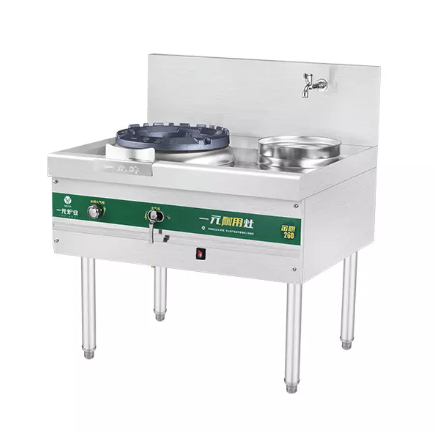
The open flame of a gas stove offers chefs the ability to use a range of cooking techniques that would be difficult, if not impossible, to replicate with electric or induction stoves. The flame provides consistent high heat that is perfect for methods such as flambéing, charring, and wok cooking. These techniques allow chefs to achieve unique textures and flavors in their dishes that are difficult to recreate using electric heat sources.
For example, flambéing, a popular technique in high-end restaurants, requires the ability to quickly ignite alcohol in the pan. Gas stoves make this process safer and more effective, creating dramatic visual effects that contribute to both the flavor and the dining experience.
The Maillard reaction, which occurs when food is browned or seared, is a key factor in developing rich, complex flavors in meats, vegetables, and other dishes. Gas stoves, with their open flame, help enhance this reaction, contributing to the development of deep, savory flavors. The ability to quickly adjust the flame allows chefs to control the sear on their food, ensuring that it develops the perfect crust without overcooking the interior.
Many chefs also appreciate that cooking over a gas flame can impart subtle smoky notes to dishes, adding another layer of flavor that is impossible to replicate with electric stoves.
While gas stoves are often preferred for their cooking speed and heat control, electric stoves, especially induction cooktops, offer significant advantages in energy efficiency. Induction technology uses electromagnetic fields to directly heat the cookware, with minimal heat loss. In fact, induction cooktops are up to 90% efficient, compared to the roughly 55% efficiency of traditional gas stoves.
For kitchens that prioritize sustainability or seek to lower their energy costs, induction stoves can be a compelling option. Although they may have a higher upfront cost, the long-term energy savings could make them more economical over time, especially in environments where energy usage is a significant concern.
The operating costs of gas and electric stoves vary based on location and energy prices. Gas stoves typically use natural gas, which tends to be cheaper than electricity in many regions, making them a cost-effective option for high-volume kitchens. However, in areas where electricity rates are lower than gas, electric stoves may be the more economical choice.
Restaurants that operate in high-cost areas often weigh the price of natural gas versus the lower operational costs of induction cooktops. For establishments looking to streamline their energy use, electric stoves, particularly induction models, provide significant savings in both operational costs and energy consumption.
Gas stoves are equipped with a variety of safety mechanisms to ensure their safe operation. One of the most significant safety features is the visibility of the flame. Professional chefs can clearly see the flame, which helps them gauge the level of heat being applied and adjust it quickly. This instant response minimizes the chances of overcooking or undercooking food.
Additionally, many modern gas stoves come with safety features such as auto shut-off systems in case of flame failure or gas leaks. Ventilation systems are also crucial for removing any gas buildup, ensuring that the kitchen remains safe and comfortable for the staff.
Electric stoves, especially induction cooktops, are considered safer than traditional gas stoves due to the absence of an open flame. Induction cooktops are especially popular in kitchens focused on safety because the cooktop itself remains cool, reducing the risk of burns. As the heat is directly transferred to the cookware, the surrounding surface stays relatively unaffected, making induction stoves ideal for kitchens with high safety standards.
Furthermore, induction cooktops are equipped with safety features like automatic shut-off, child locks, and heat sensors that ensure they are only active when compatible cookware is detected, preventing accidents and minimizing fire hazards.
As environmental concerns grow, the demand for energy-efficient cooking methods is increasing. Induction stoves, known for their low energy consumption and environmental benefits, may become more prevalent in commercial kitchens, especially as technology advances and the cost of induction cooktops decreases.
However, the transition from gas to induction may take time. The initial investment in induction stoves is significant, and the need for specific cookware may deter some chefs from making the switch. Nonetheless, in regions with high electricity costs or stricter environmental regulations, induction cooktops could play an increasingly important role in the future of professional kitchens.
Some chefs and restaurants are already adopting a hybrid approach, combining both gas and induction burners. This allows kitchens to enjoy the benefits of both technologies: the immediate responsiveness and versatility of gas, alongside the energy efficiency and safety of induction.
A hybrid system can be particularly beneficial in high-demand kitchens, where different types of cooking methods are needed throughout the day. The flexibility of using both types of stoves allows chefs to optimize their cooking environment and adapt to different culinary tasks more effectively.
In conclusion, the choice between gas and electric stoves in professional kitchens is complex and multifaceted. While gas stoves offer immediate responsiveness, versatility, and culinary freedom, electric stoves provide energy efficiency, safety, and ease of maintenance. The decision ultimately depends on the specific needs and preferences of the kitchen.
As the industry evolves, a hybrid approach that combines the strengths of both technologies may become the norm, offering chefs the best of both worlds. Whether you choose gas, electric, or a combination of both, the key is to select equipment that aligns with your culinary goals and enhances your kitchen's performance.
For those interested in exploring the options further, visiting a local appliance store or consulting with kitchen equipment specialists can provide valuable insights and help make an informed decision. Whether you choose gas, electric, or a hybrid approach, the right stove will elevate your culinary creations and improve the efficiency of your kitchen.
A: Professional kitchens favor gas stoves for their immediate heat control, versatility with cookware, and ability to quickly adjust the flame for precise cooking techniques like sautéing and searing.
A: While gas stoves offer quick heat and precise control, induction stoves, a type of electric stove, are more energy-efficient, with up to 90% efficiency compared to gas’s 55%.
A: Yes, gas stoves are highly versatile and can accommodate any type of cookware, whether flat-based or curved, unlike electric stoves that require specific cookware for optimal performance.
A: Electric stoves, particularly induction models, are safer due to the absence of an open flame. Induction cooktops also remain cool to the touch, minimizing burn risks.
A: Yes, many commercial kitchens are adopting hybrid systems combining both gas and induction stoves, offering chefs flexibility, efficiency, and the best of both technologies.


